
Build Financial Confidence Through Smart Budget Strategies
Learning to manage money doesn't have to feel overwhelming. Our programs break down complex financial concepts into practical steps you can actually use. Whether you're starting fresh or refining existing habits, we focus on real-world application over theory.
Explore Learning Programs
Why Budget Optimization Matters Now
Cost of living keeps climbing. Rent, groceries, utilities — they all add up faster than most people realize. You can't control prices, but you can control where your money goes and how it works for you.

Start With What You Actually Spend
Most budgets fail because they're based on guesses. We teach you to track real spending first — no judgment, just data. Once you see where money actually goes, patterns emerge. That coffee subscription you forgot about. The streaming services you haven't used in months.
From there, you build a system that fits your life. Not some rigid plan from a textbook, but something flexible enough to handle unexpected expenses while still moving you forward financially.
Our approach focuses on sustainable habits. Quick fixes don't last. We're interested in helping you develop skills that compound over years, not weeks.
Financial Literacy As A Practical Skill
Schools don't teach this stuff. You're expected to figure out tax returns, superannuation, debt management, and investment basics on your own. Most people wing it and hope for the best.
We've designed our curriculum around the questions people actually ask. How do I know if my budget is working? When should I prioritize saving versus paying down debt? What expenses are worth cutting versus keeping?
Each module builds on the last. You're not drowning in information — you're gaining tools you can apply immediately. And if you get stuck, our partner network includes financial advisors who've reviewed our materials and contribute real-world perspectives.

Your Learning Journey: Foundation to Mastery
Phase One
Budget Fundamentals
Get comfortable with tracking income and expenses. Learn to categorize spending and identify patterns in your financial behavior.
- Setting up tracking systems that work
- Understanding fixed versus variable costs
- Creating realistic spending categories
- Building your first budget baseline
Phase Two
Optimization Strategies
Move beyond basic tracking. Discover where small adjustments create significant long-term impact without sacrificing quality of life.
- Analyzing spending patterns for inefficiencies
- Negotiating bills and recurring expenses
- Automating savings and payments
- Building emergency fund strategies
Phase Three
Advanced Planning
Integrate budget management with broader financial goals. Learn to balance competing priorities and adjust plans as circumstances change.
- Debt reduction planning frameworks
- Goal-based savings allocation
- Tax-efficient financial structures
- Long-term wealth building concepts
Programs are self-paced with rolling enrollment. Start when you're ready.
View Full CurriculumReal People, Real Progress
Financial education works when you actually apply it. Here's what some of our learners experienced after completing the programs and implementing what they learned.

I thought I was pretty good with money until I actually tracked every dollar for a month. Turns out I was spending nearly $400 on things I couldn't even remember buying. The tracking module alone changed how I think about spending.
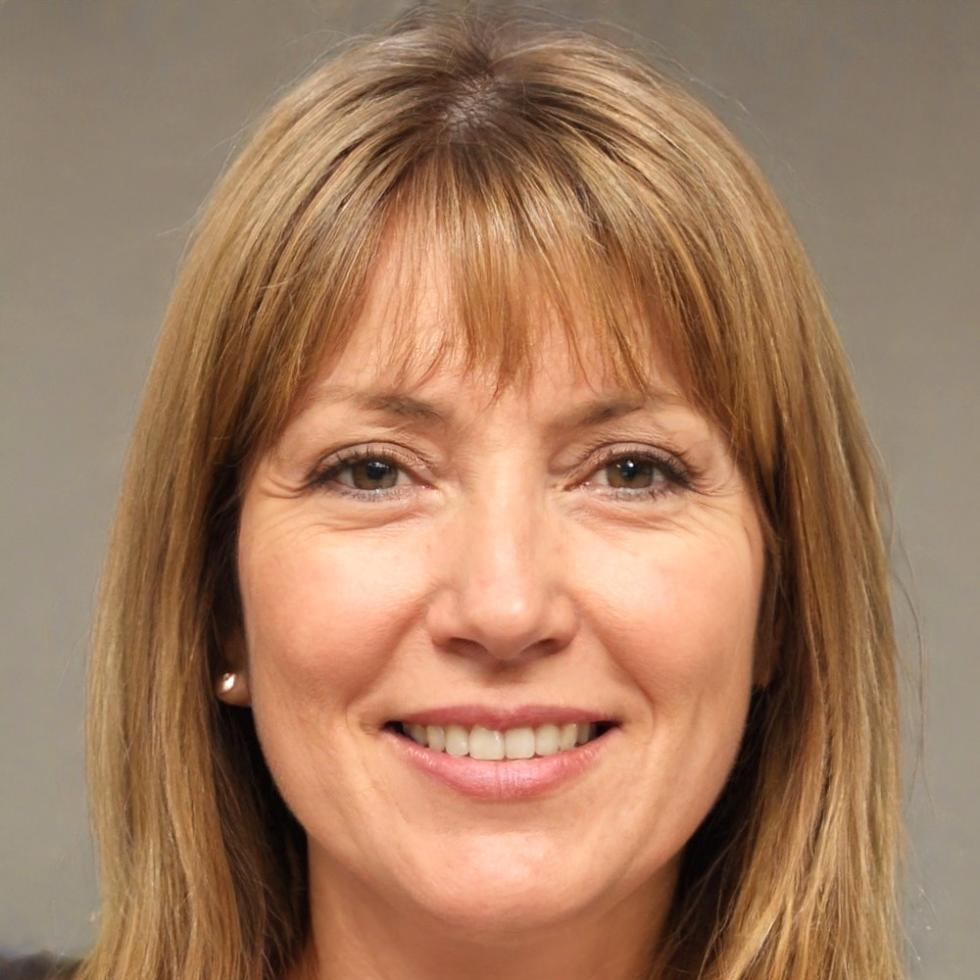
The debt reduction framework helped me tackle credit cards strategically instead of just throwing money at whichever balance stressed me out most. Six months in, and I've paid off more than I managed in the previous two years.

Ready to Take Control of Your Financial Future?
Budget optimization isn't about deprivation or complicated spreadsheets. It's about understanding where your money goes and making intentional choices that align with what matters to you. Whether you want to build savings, reduce debt, or just stop feeling anxious about finances, we can help you get there.
Questions About Our Programs?
We're here to help you figure out which learning path makes sense for your situation. Get in touch and we'll talk through your options.